
Introduction
As the world grapples with a growing waste crisis, especially in rapidly industrializing nations like China, the need for innovative solutions is more pressing than ever. Sustainable material recovery methods represent a critical facet of effective waste management, promising to transform the landscape. This article will explore various strategies that facilitate eco-friendly recycling and the principles of a circular economy.
Understanding Sustainable Material Recovery Methods
Sustainable material recovery methods involve techniques that restore materials from waste, ultimately enabling reuse and recycling. These methods aim to minimize environmental impacts and promote resource efficiency. The following are some key strategies:
- Biodegradable Waste Management Techniques: These focus on the biological degradation of organic waste, converting it into compost or biogas.
- Eco-Friendly Recycling Solutions: Methods that seek to recycle materials while minimizing toxins and pollutants in the process.
- Innovative Waste Recovery Strategies: Utilizing technology and creativity to reclaim materials from various waste streams.
Adopting Circular Economy Practices
The circular economy is a revolutionary approach that emphasizes reusing products and materials, thus reducing waste. Key practices include:
- Resource Recovery Technologies: These involve advanced techniques, such as pyrolysis or industrial symbiosis, to extract usable materials from waste.
- Green Waste Minimization Methods: Techniques focusing on reducing waste generation at the source through sustainability initiatives.
Efficient Salvage Operations
Efficient salvage operations are crucial for enhancing material recovery rates. These operations can be optimized through:
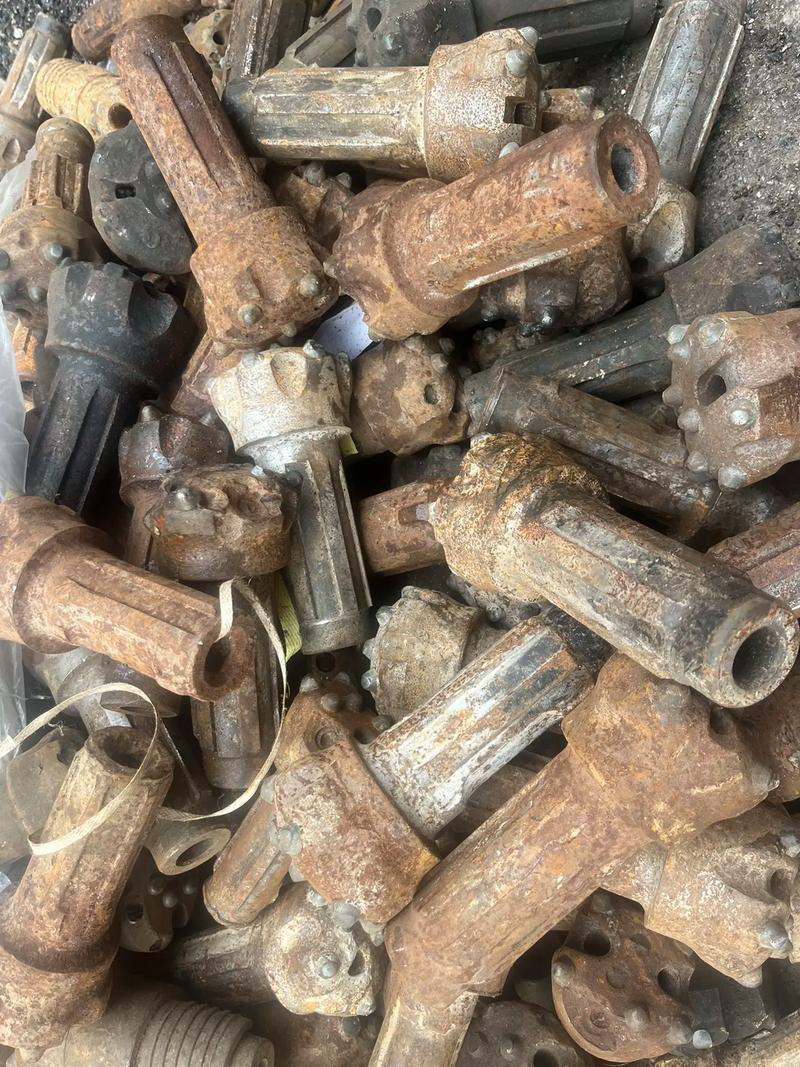
- Strategic collection routes to ensure maximum recovery efficiency.
- Utilizing technology to enhance sorting and processing of recyclable materials.
Environmental Rehabilitation Methods
Post-consumer material processing and environmental rehabilitation methods contribute significantly to sustainable practices. Understanding the lifecycle of materials—from production through consumption to disposal—is essential for rehabilitation efforts.
Sustainable Reuse Initiatives
Sustainable reuse initiatives focus on encouraging the public to engage in practices that extend the life cycle of products. Examples include:

- Repair cafes where community members gather to fix broken items.
- Swap events fostering the exchange of goods rather than discarding them.
Conclusion
In conclusion, the adoption of innovative sustainable material recovery methods can revolutionize China's waste management landscape. By embracing biodegradable techniques, eco-friendly recycling, and the principles of a circular economy, we can foster a sustainable future. It is essential for all stakeholders, from government to local communities, to collaborate and innovate in the face of climate challenges. The path to a cleaner environment is paved with our efforts today.
FAQs
What are sustainable material recovery methods?
Sustainable material recovery methods are strategies aimed at reclaiming materials from waste to minimize environmental impact.
How does the circular economy relate to waste management?
The circular economy emphasizes reusing materials and reducing waste, facilitating sustainable resource management.
Why are biodegradable waste management techniques important?
These techniques help to convert organic waste into valuable resources while reducing landfill use and emissions.
What role does technology play in innovative waste recovery strategies?
Technology enhances efficiency in sorting, processing, and recovering materials from waste streams.